
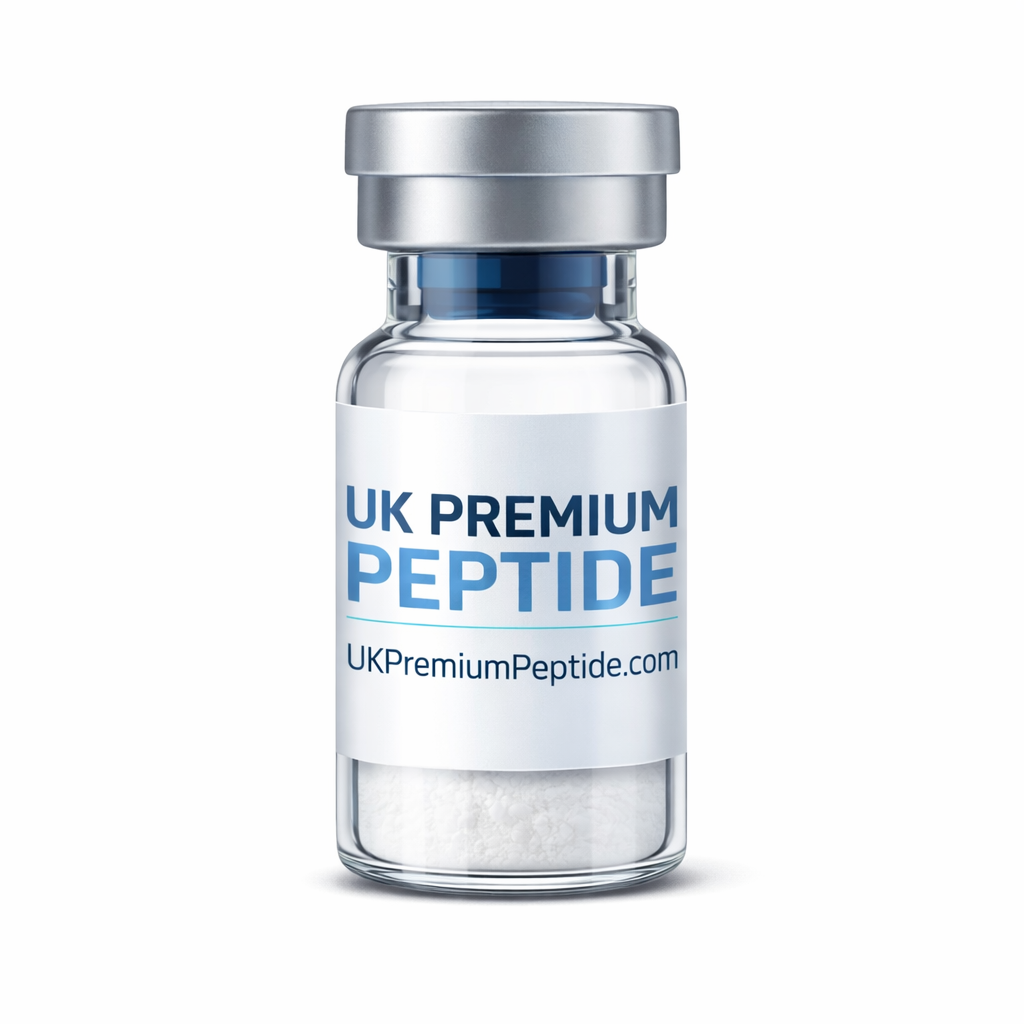
BPC-157 (Body Protection Compound-157) is a synthetic 15-amino acid peptide derived from human gastric juice, widely researched for its potent healing, regenerative, and anti-inflammatory properties
. It is frequently used to accelerate recovery from musculoskeletal injuries (tendon, ligament, bone) and gut issues, but it remains an unapproved drug.
Key Aspects of BPC-157
- Benefits: Preclinical studies suggest BPC-157 promotes angiogenesis (new blood vessel formation), heals tendon-to-bone injuries, protects organs, and reduces inflammation in the gastrointestinal tract.
- How it Works: It functions as a stable gastric pentadecapeptide that acts on growth factor receptors and increases expression of growth hormone receptors in tissues.
- Forms: It is commonly available as an injectable (subcutaneous or intramuscular) or in oral capsules.
- Side Effects: While often cited as having a good safety profile, reported side effects can include site reaction (pain/redness) after injections, with limited, long-term human safety data available.
- Status & Risks: BPC-157 is not FDA-approved, is banned by the World Anti-Doping Agency (WADA) in sports, and is often sold online with “research only” labels, making quality control a major concern.
Important Considerations
As an experimental, unapproved substance, there is a lack of rigorous, large-scale human trials to confirm its effectiveness and long-term safety. While it shows promise in animal models, its use carries risks, particularly for athletes.
As an experimental, unapproved substance, there is a lack of rigorous, large-scale human trials to confirm its effectiveness and long-term safety. While it shows promise in animal models, its use carries risks, particularly for athletes.
| Select MG | 5MG, 10MG, 15MG |
|---|
Be the first to review “BPC-157 Peptides”
Related products
Sale!
New Arrivals Peptides!
Price range: £39.99 through £190.99
Sale!
New Arrivals Peptides!
Original price was: £120.00.£80.99Current price is: £80.99.
New Arrivals Peptides!
Price range: £120.00 through £259.00
Sale!
New Arrivals Peptides!
Original price was: £140.00.£129.99Current price is: £129.99.
Sale!
New Arrivals Peptides!
Price range: £28.99 through £47.99
Sale!
New Arrivals Peptides!
Price range: £146.99 through £300.00
Sale!
New Arrivals Peptides!
Original price was: £89.00.£55.99Current price is: £55.99.
Sale!
New Arrivals Peptides!
Price range: £50.99 through £70.99
Reviews
There are no reviews yet.